Master Poker Tells to Gain an Edge in Every Game
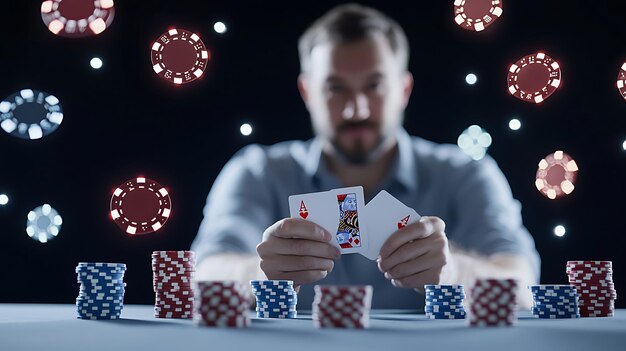
Read your opponents like a book. Focus on their eye movements. If a player avoids eye contact while betting, they might be bluffing. Conversely, intense eye contact can indicate confidence in their hand. In the exciting world of online gambling, mastering the nuances of player behavior can significantly influence your success at the virtual tables. Observing subtle cues such as eye contact, body posture, and betting patterns will allow you to read your opponents more effectively. For instance, quick responses or intense gaze may signal confidence, while hesitation often indicates uncertainty. By refining your ability to interpret these signals, you can adapt your strategy and gain a crucial advantage. To deepen your understanding and elevate your gameplay, check out helpful resources like casinogranvia-online.com, which offer insights into effective strategies and tips.
Watch their breathing. Quickened breaths could suggest excitement or anxiety, hinting at a strong hand or a bluff. Recognizing these signs can give you an edge.
Pay attention to their chip handling. Fidgeting with chips before a bet can signal hesitation. A relaxed grip often indicates assurance about their cards.
Analyze their body language. Closed-off postures, like crossed arms, may reflect insecurity. Open gestures typically show comfort and strength. Accurate interpretations of these tells can guide your decisions.
Keep track of betting patterns. Sudden changes often reveal shifts in strategy. If a conservative player suddenly raises aggressively, assess if they might hold strong cards or are trying to scare you off.
Practice these observations regularly. The more you refine your skills, the better you'll become at spotting tells, giving you the confidence and insight necessary to take control at the table.
Identifying Key Physical Cues in Opponents
Focus on eye movement. Players often give away their intentions through subtle shifts in their gaze. A sudden fixation on chips or cards may indicate strong hands, while frequent glances at the pot can reveal uncertainty.
Observe body posture. Tension in the shoulders or clenched fists signifies stress or excitement. A relaxed stance often points to confidence, whereas leaning back can indicate a player feeling secure in their hand.
Take note of facial expressions. A slight smirk may suggest a bluff, while a furrowed brow can indicate concentration or concern. Understanding these micro-expressions helps in reading your opponents effectively.
Watch for hand movements. Fiddling with chips or cards can reveal anxiety. Conversely, deliberate, measured motions often signify a player’s calmness and control.
Listen for verbal cues. Changes in tone or speed while speaking can disclose emotions. A player who talks too much might be covering nervousness, while someone who suddenly goes quiet might be bearing strong cards.
Understand breathing patterns. Rapid breathing can indicate excitement or fear, while steady breathing often reflects composure. Pay attention to these fluctuations during betting rounds.
Practice analyzing these cues with a friend or in low-stakes games. The more you observe, the better you’ll become at identifying these physical tells during serious play. Regular practice hones your intuition and sharpens your skills.
Understanding Betting Patterns as Behavioral Indicators
Recognize the subtlety in betting patterns to gain an edge. Observe how players structure their bets at different points in a hand. A small, conservative bet often indicates strength, while a sudden large bet can signal a bluff or a desperate move. Pay attention to the consistency in a player’s betting strategy. If a player frequently folds to large raises but occasionally calls with marginal hands, it offers insights into their comfort level and tendencies.
Track the frequency and sizing of bets. Aggressive betters typically exert pressure on opponents, while passive players may indicate a hand they're uncertain about. Notice the timing of their bets too. A quick bet can suggest confidence, whereas prolonged hesitation might reveal uncertainty about their hand strength.
Analyze reactions to your betting. If you raise and an opponent quickly folds, they might lack confidence in their hand. If they call or raise, their perception of risk could be higher than you assume. Adjust your strategies accordingly, exploiting their fears or their bravado.
Stay aware of the dynamics in multi-way pots. Different players may alter their strategies based on the number of opponents. A lone player might bluff more often in a heads-up scenario than when faced with multiple competitors. Keeping track of these shifts can provide you with the context needed to make informed decisions.
Finally, do not disregard non-verbal cues. Players’ body language can betray their confidence. Anxious gestures, like fidgeting chips or avoiding eye contact, can reveal discomfort. Recognizing these signals enhances your judgment on when to bet, raise, or fold.
Utilizing Psychological Strategies to Read Players
Observe body language closely; gestures often reveal more than words. Watch for involuntary movements like adjusting clothing, tapping fingers, or shifting in their seats. These signals might indicate discomfort or confidence. Note the frequency of their eye contact; a player who avoids looking at you when talking may be bluffing.
Pay attention to timing. How long does a player take to make a decision? Quick responses can suggest confidence, while hesitation might indicate uncertainty. Use this information to gauge their strategy.
Consider the patterns of betting. A sudden increase in bet size could mean strength or an attempt to intimidate. Compare these behaviors against their previous plays to identify inconsistencies or changes in strategy.
Recall their previous actions. A player who consistently plays aggressively might change tactics if they feel threatened or are on a losing streak. Recognizing this shift can offer insights into their current mindset.
Engage in casual conversation. Players often reveal their mental state when they talk about other players, past hands, or general strategy. Listen carefully; statements that are overly confident or dismissive might mask insecurity.
Finally, use bluffing as a strategy to observe reactions. If you bluff and a player reacts strongly, it can provide clues to their thought process. Watch their facial expressions; a poker face that cracks for a moment can reveal their true feelings.
Practice Scenarios: Analyzing Real Game Footage
Observe key moments in actual gameplay to reinforce your understanding of poker tells. Focus on players’ body language and betting patterns. Take notes on their reactions during crucial hands, particularly when facing high-pressure situations.
Choose a few hand histories and slow down the footage. Pay attention to how players respond to different actions: notice if they exhibit hesitation before calling a large bet or if they seem overly relaxed when bluffing. Look for signs of confidence or anxiety reflected in their posture and facial expressions.
After watching, create a summary of the tells you identified. Document the specific scenarios, such as pre-flop raises or river bets, and categorize the corresponding reactions. This process will help you distinguish between genuine strength and a façade.
Incorporate role-play exercises with friends, simulating the tells you've analyzed. This practice will allow you to experiment with various behaviors and observe how they might influence your opponents’ decisions. Adjust your style on the fly based on their reactions to mimic real-game dynamics.
Regularly revisit your recorded analysis. Identify patterns and refine your ability to read opponents by contrasting different players’ styles. Over time, this approach will bolster your intuition, allowing you to make more informed decisions at the table.
Developing Your Own Tells to Mislead Opponents
Focus on creating subtle behaviors that mislead your opponents. Start by identifying your natural physical reactions when holding strong or weak hands. Train yourself to exaggerate these reactions deliberately.
Consider these strategies for developing your personal tells:
- Practice specific gestures, such as adjusting your chips or leaning back in your chair, when you have a weak hand. Use these consistently to build a false narrative.
- Incorporate fake tells that appear to signal strength. For instance, occasionally make eye contact and smile when bluffing, contrasting your typical behavior during a strong hand.
- Modify your speech patterns. Use a calm, slow tone when feeling confident, and speed up your speech when bluffing to create a subconscious association.
- Switch up your betting patterns. Occasionally overbet with weak hands while mixing in some small bets with strong hands. This keeps opponents guessing.
Consistency is key. Practice these tells in low-stakes games to ensure they become second nature. This allows you to execute your strategy effectively under pressure.
Remember to constantly evolve your tells based on your opponents' observations. Adaptation keeps you one step ahead, ensuring your deception remains effective.
Creating a Personal Checklist for Situational Awareness
Identify your primary objectives before each game. Write down what you aim to achieve, whether it's observational skills or emotional control.
List key indicators of player behavior. Note specific actions like betting patterns or physical tells. This data can inform your decisions throughout the game.
Include environmental factors in your checklist. Observe the table dynamics–who shows confidence, who appears nervous. Gather insights from the overall atmosphere to enhance your strategy.
Assess your emotional state regularly. Use a quick self-check to evaluate if you’re feeling calm, anxious, or overly confident. Adjust your approach based on these feelings.
Practice active listening. Pay attention to spoken cues that might reveal your opponents' strategies. Jot down notable phrases or tones that could indicate their mindset.
Incorporate time management strategies. Allocate specific intervals to review your notes and observations, making adjustments as needed during the game.
Review your checklist after each session. Analyze which points were helpful and which require refinement for future games.
Make your checklist a living document. Update it based on new experiences and insights, ensuring it remains relevant and useful for ongoing improvement.
| 
